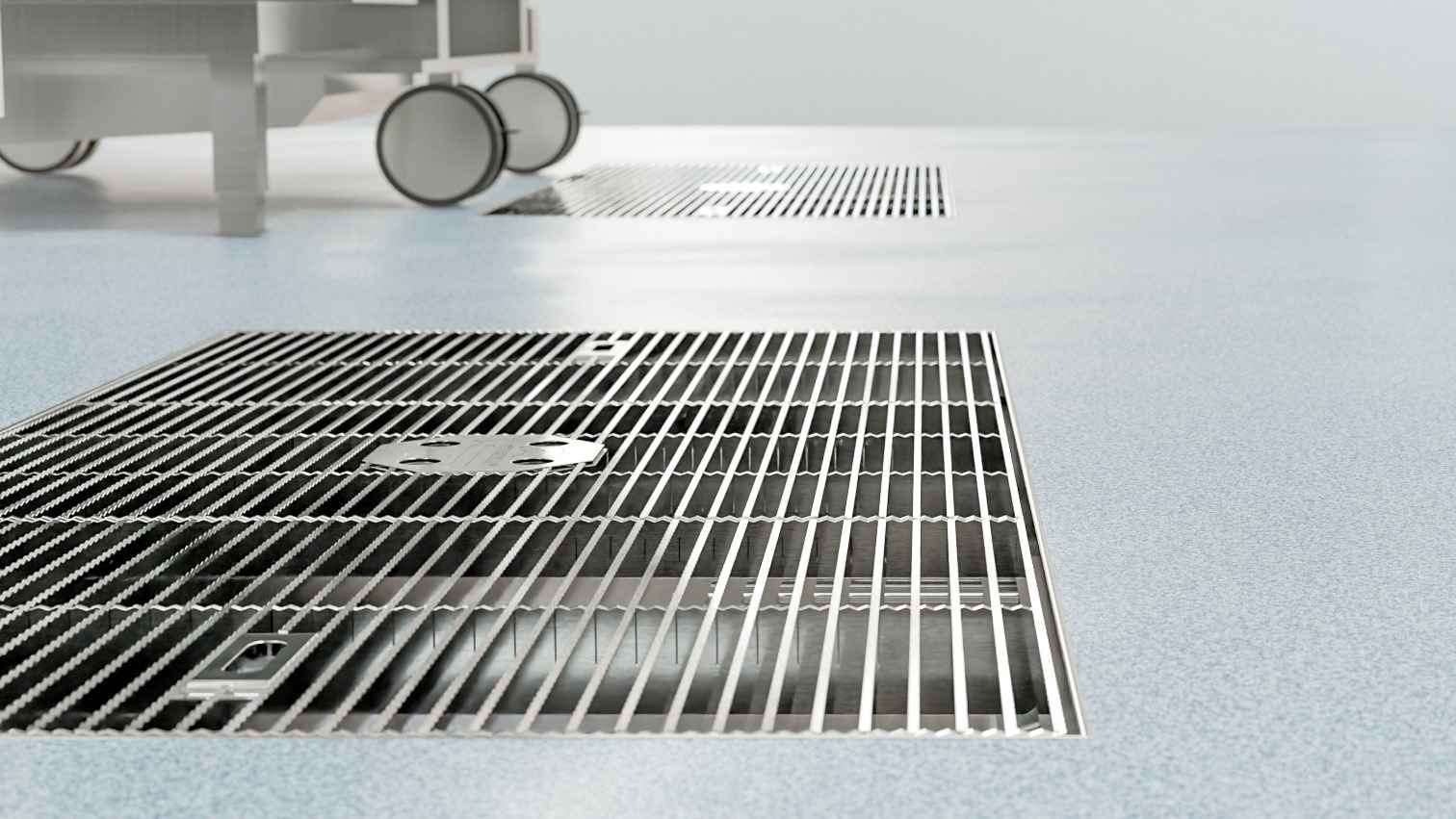
Commercial kitchens are evolving. Combination ovens, tilting kettles, steamers, pasta cookers, and other high-temperature appliances allow operators to prepare food more efficiently but they can also introduce significantly hotter wastewater into the drainage system. For commercial kitchen floor sinks, floor troughs, and trench drains, managing that wastewater temperature is an important consideration for protecting downstream plumbing infrastructure and supporting applicable plumbing code requirements.
Hotter Equipment Means Hotter Wastewater
Modern commercial cooking appliances can heat fluids to temperatures approaching 212°F.
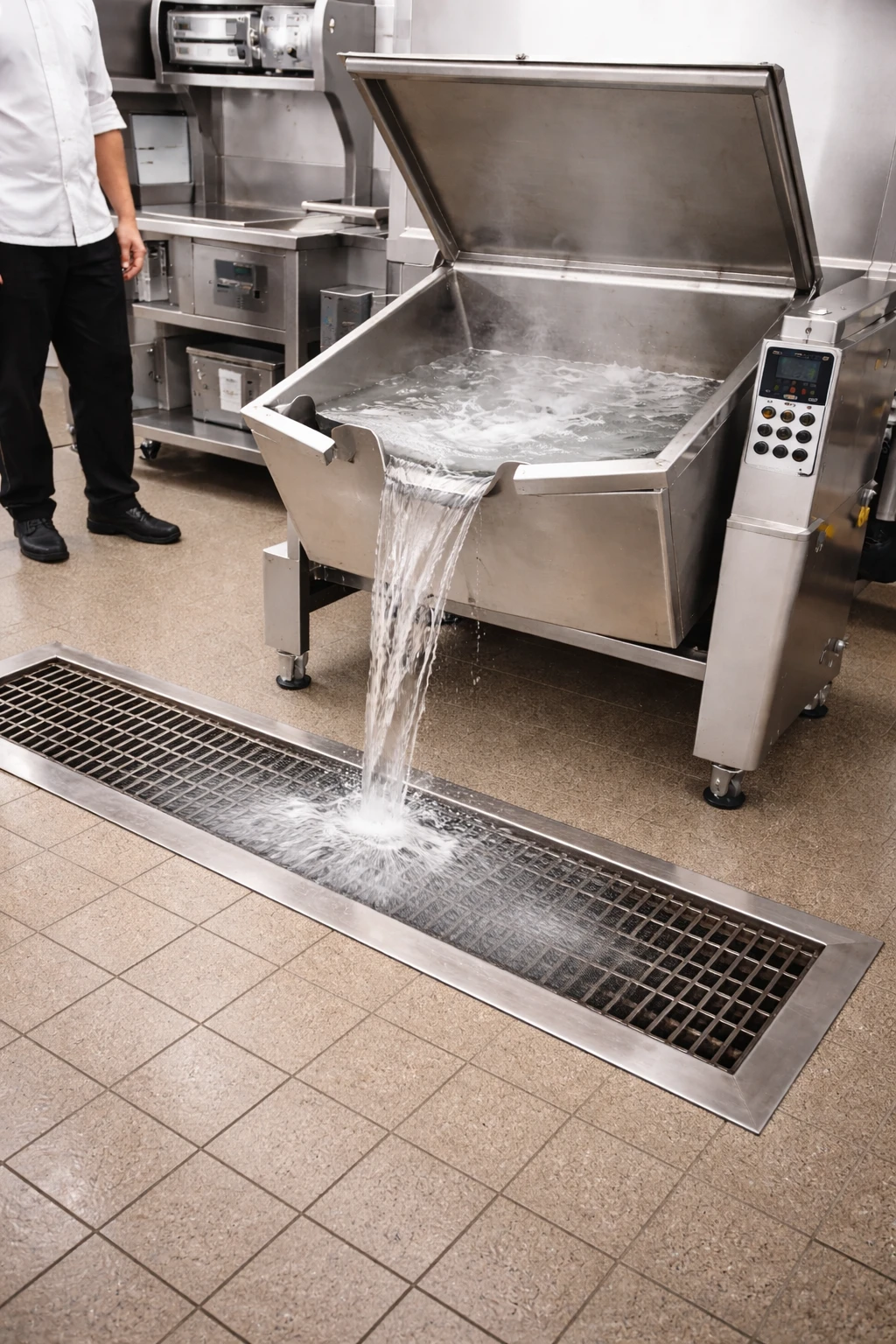
When that wastewater is drained or dumped in large volumes into a floor sink, floor trough, or trench drain, the heat is transferred directly into the drainage system.
Unlike a residential kitchen, commercial kitchens may discharge high-temperature wastewater repeatedly throughout the day from multiple pieces of equipment.
Why 140°F Matters to the Wasteline
Commercial kitchen waste lines are commonly constructed from materials such as PVC and ABS because they offer advantages including ease of installation, durability, and cost-effectiveness. However, every piping system has specific temperature limitations established by the pipe, fittings, solvent cement, and manufacturer.
Repeated exposure to temperatures beyond those ratings can contribute to deterioration of piping components and solvent-welded joints, potentially increasing the risk of premature waste line problems.
Auto-Tempering Technology
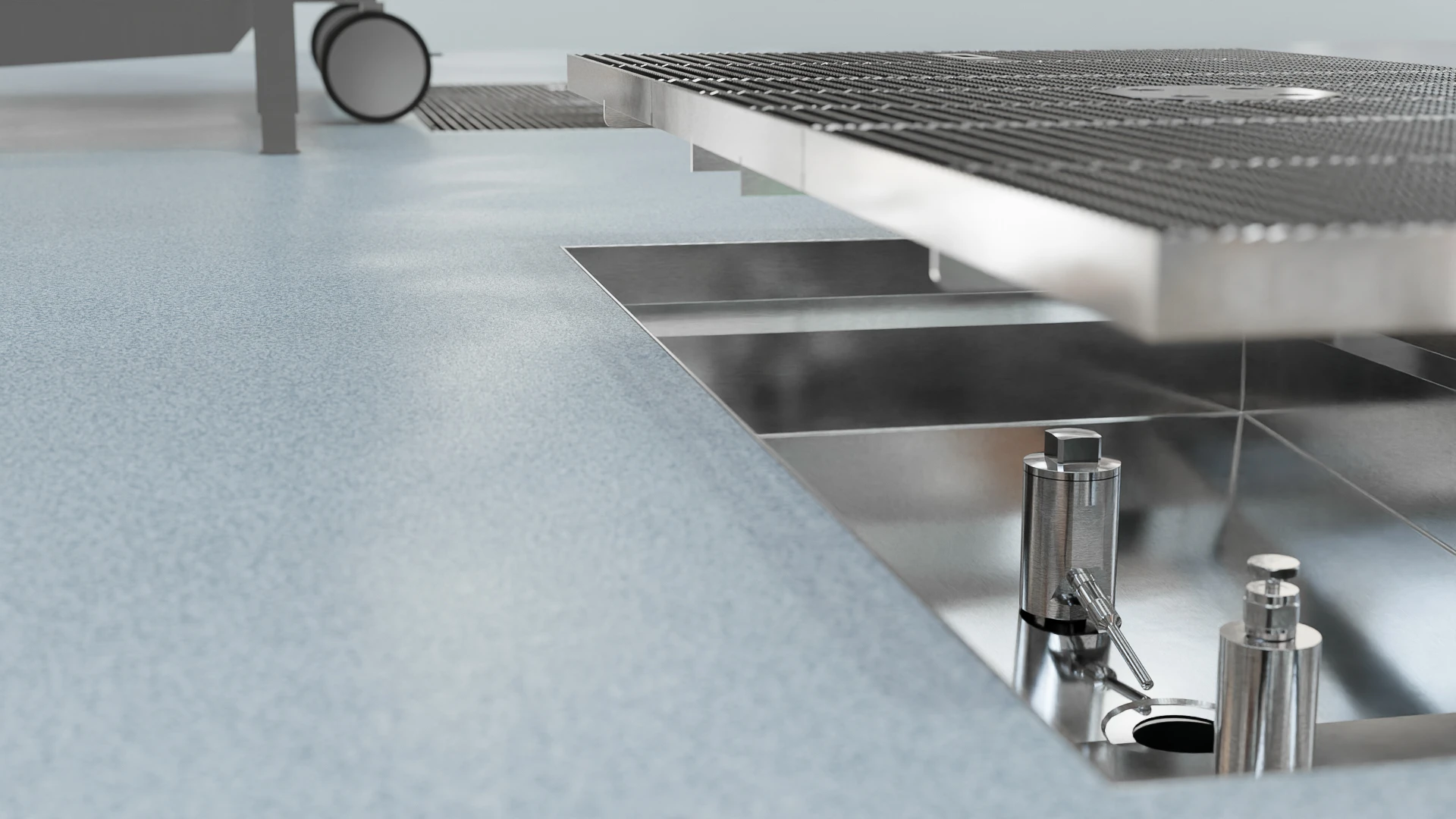
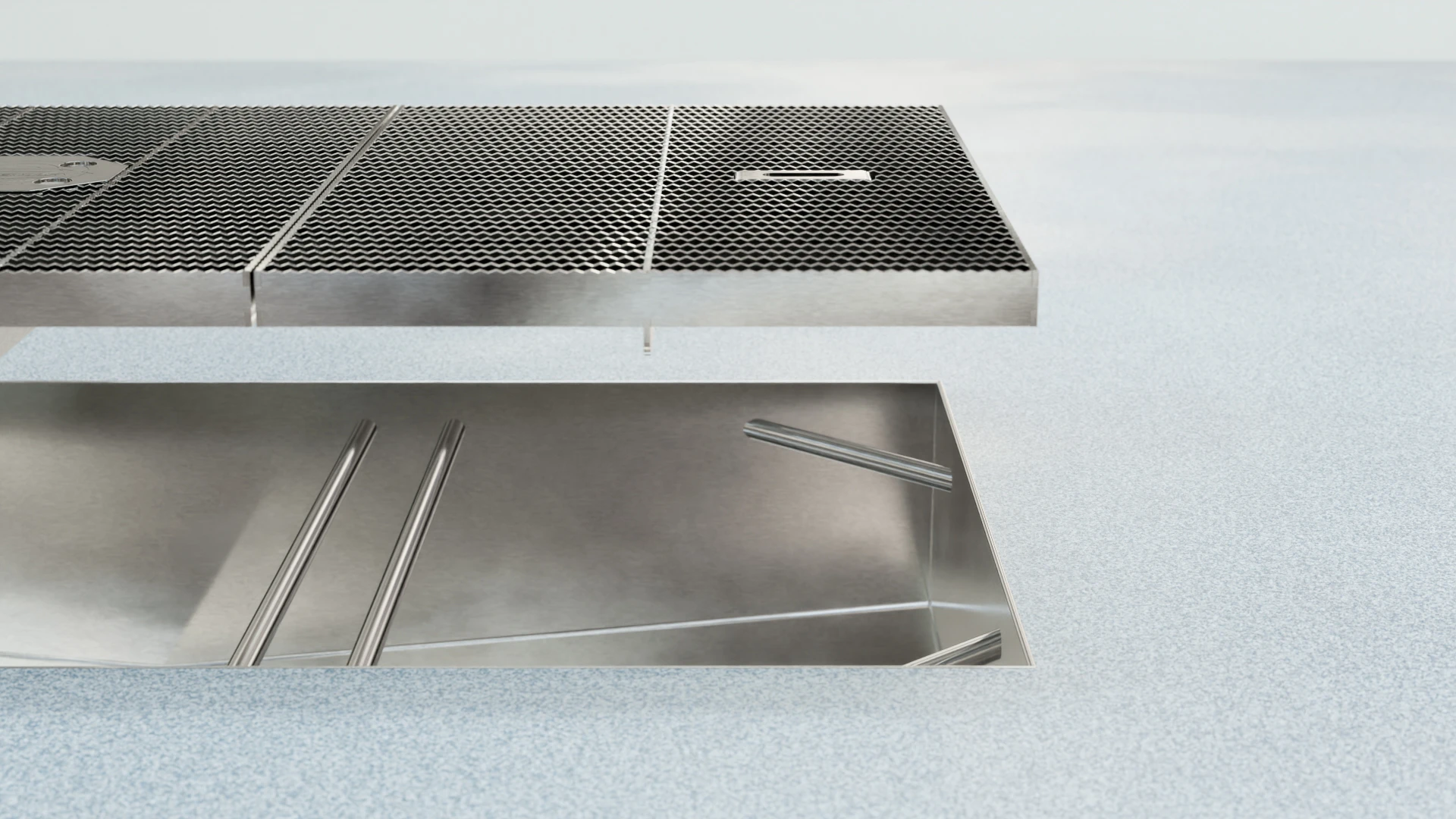
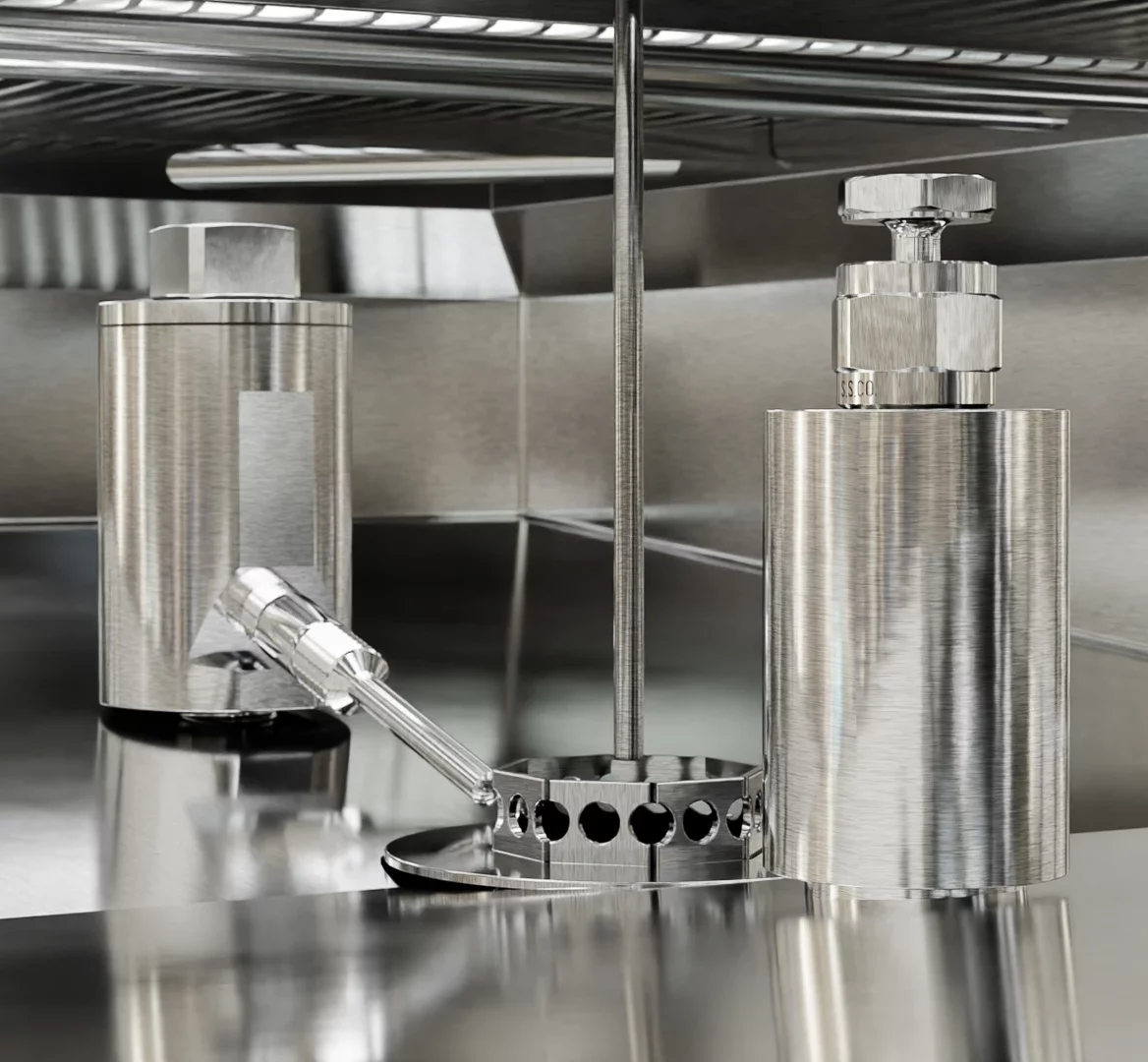
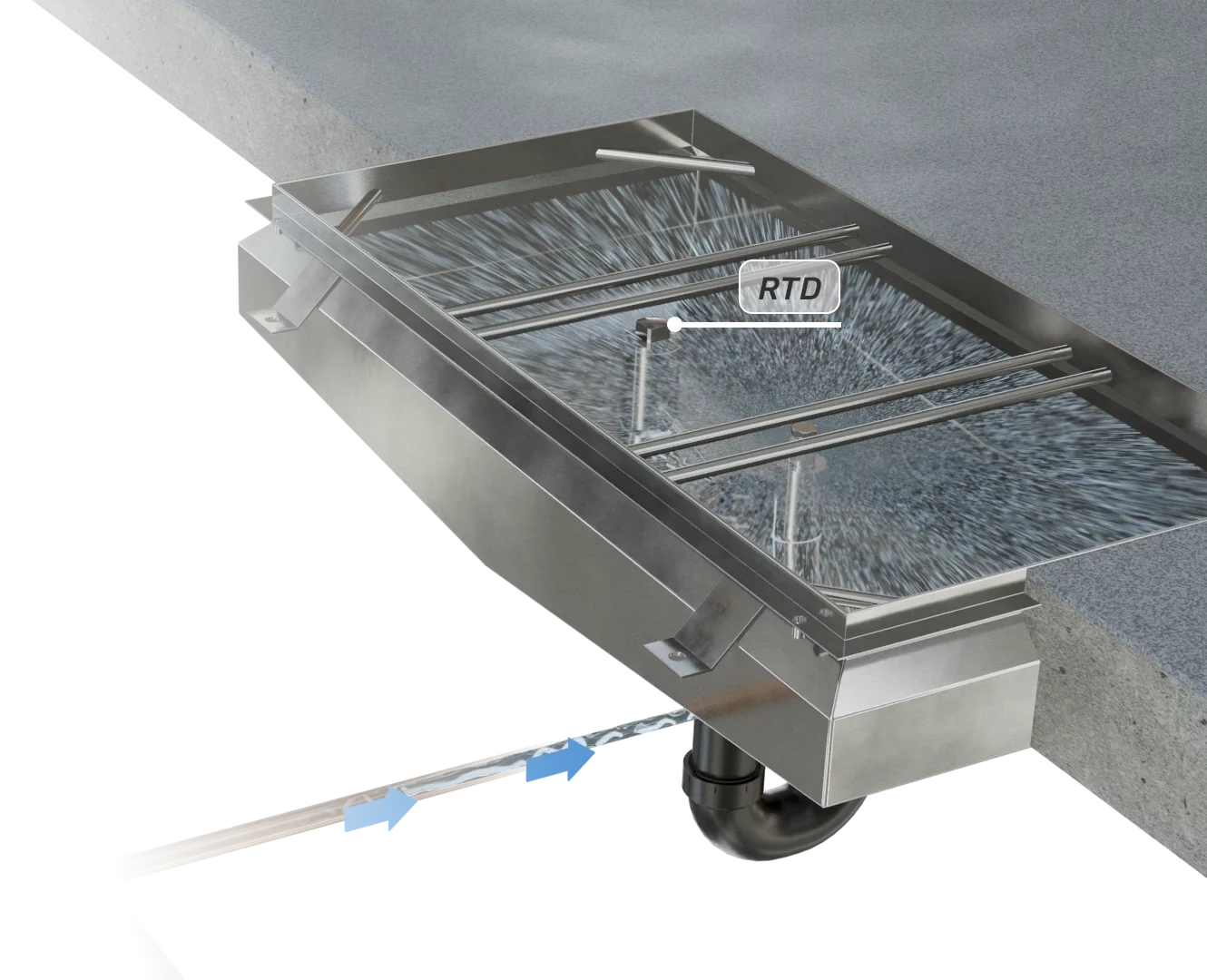
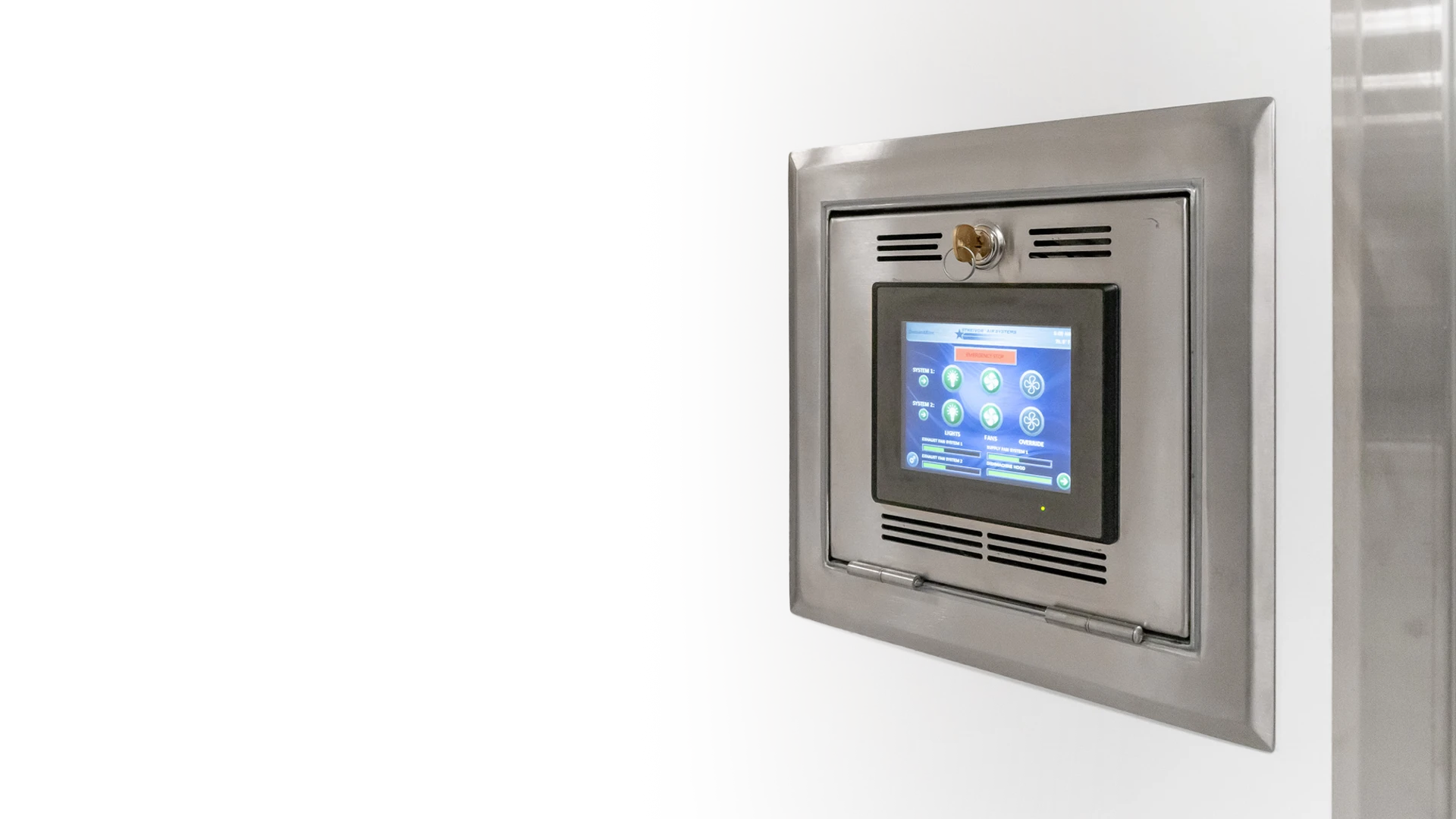
Streivor’s Auto-Tempering Technology integrates temperature monitoring directly into the floor sink, floor trough, or trench drain to automatically temper wastewater before it enters the waste line.
One Water Supply. Multiple Functions.
More Than Wastewater Tempering
Auto-Tempering Technology can also make use of the same water for other drainage functions. As tempering water enters the trough through the spray nozzle, it simultaneously provides a rinsing action across the interior of the drainage fixture. The water can also contribute to trap priming when the system’s integrated functions are coordinated.
This approach helps maximize water usage by allowing one water supply to perform multiple functions rather than supplying separate water for each operation.
Key Benefits